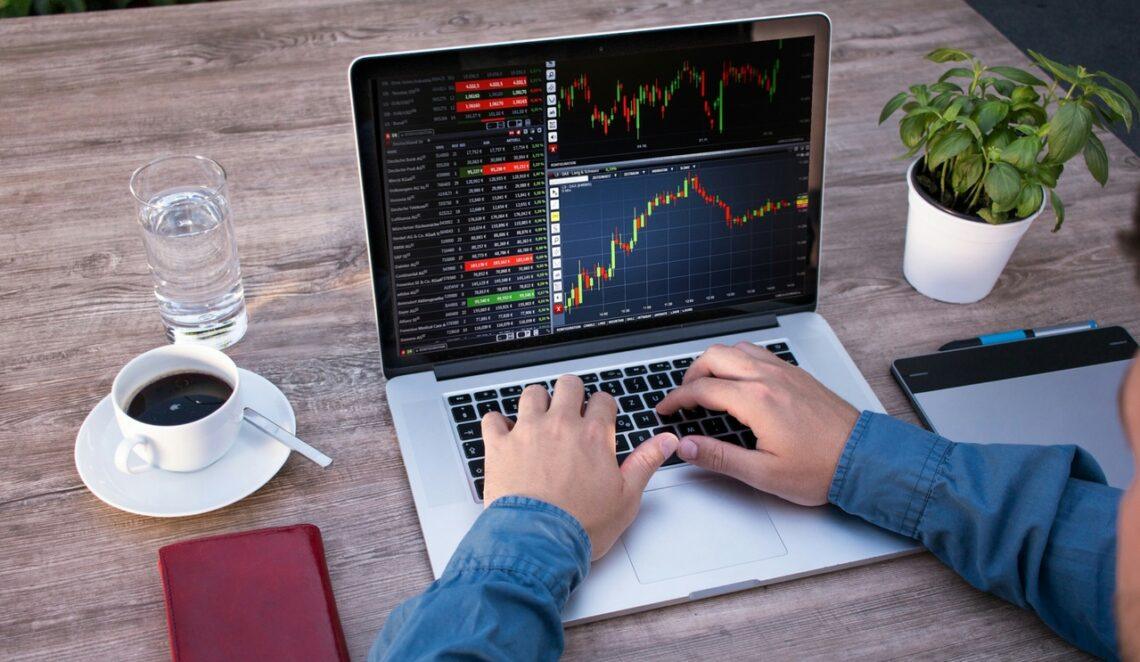
Spread behavior is not random. It follows a rhythm that aligns with the global trading day. From the quiet hours of the Asian session to the high activity of the London and New York overlap, spreads expand and contract based on liquidity, volume, and market expectations. Understanding these patterns helps traders avoid costly entries and plan trades during optimal conditions. Recognizing when the best Forex spreads appear gives you an edge that goes beyond technical analysis or news events.
Asian Session Offers Stability with Limited Activity
The Asian session, particularly during Tokyo hours, is known for its calm and steady pace. Most major economic centers are closed during this time, leading to reduced volatility and slower price action. Spreads during this session are generally stable but not always the tightest. Pairs that involve the Japanese yen or Australian dollar tend to behave more predictably here. The best Forex spreads for these pairs are often found in the early hours of this session when liquidity providers adjust to the flow.
London Session Brings Energy and Narrow Spreads
When London opens, everything changes. The London session introduces a surge in volume and market activity. This is when banks, hedge funds, and institutional traders become active, and liquidity increases dramatically. Spreads during this session are usually at their lowest, especially for major pairs. Many breakout and trend-following strategies are designed to take advantage of this window. The best Forex spreads tend to occur in the heart of this session, offering tight pricing and reliable fills.
The Overlap Is Where the Action Peaks
The period where the London and New York sessions overlap is often referred to as the golden hours of Forex. Liquidity is at its peak, spreads tighten to their lowest levels, and large institutional orders drive movement. This is the ideal time for most traders, especially those focused on short-term entries. The best Forex spreads are almost always found during this period, making it a key focus for timing trade entries and exits.
New York Session Holds Opportunity with Caution
After London begins to wind down, New York remains active for several more hours. While volume is still respectable, spreads can become slightly more volatile as liquidity fades into the evening. News from the United States can cause temporary spread spikes, especially if economic reports surprise the market. The best Forex spreads during this session occur shortly after the open, before volume begins to taper off.
Late Evening and Early Hours Bring Uncertainty
The hours between the New York close and Tokyo open are often called the dead zone. Liquidity is at its lowest, and spreads can widen dramatically. Most traders avoid opening new positions during this time unless absolutely necessary. Brokers also tend to perform system maintenance or adjust pricing models, which can cause spreads to behave erratically. The best Forex spreads are almost never seen during this session, making it a poor time for active trading.
By understanding how spreads behave during each session, traders can time their activity more effectively. Whether you are scalping or swing trading, recognizing these patterns will help you avoid high-cost entries and maximize your edge. Spread behavior is not just a cost consideration. It is a timing tool, a market indicator, and a critical part of trading success.