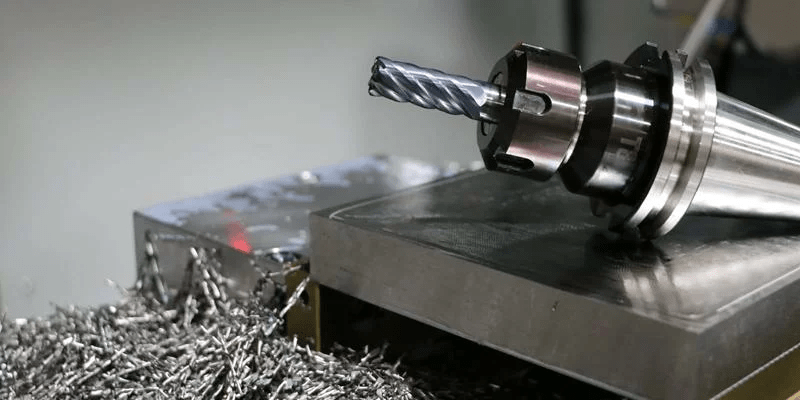
In the world of precision engineering, achieving exact hole dimensions and smooth finishes is crucial to ensuring quality and performance. While drilling creates the initial hole, it’s reaming that brings it to perfection. Among the many tools used in machining, machine reamers stand out as essential instruments for producing accurate, smooth, and consistent holes across various materials.
This guide explores what machine reamers are, how they work, their types, applications, materials, and tips for choosing and using them effectively in industrial and workshop settings.
What Are Machine Reamers?
A machine reamer is a rotary cutting tool designed to enlarge, refine, or smooth an existing hole to a precise diameter. Unlike drills, which remove large amounts of material quickly, reamers focus on finishing — ensuring the hole is round, smooth, and dimensionally accurate.
Machine reamers are typically used with powered machines such as lathes, drill presses, milling machines, and CNC systems. They have multiple cutting edges that remove small amounts of material, correcting imperfections left by drilling or boring.
In essence, a reamer doesn’t just “cut” — it perfects.
How Machine Reamers Work
The process of reaming begins after a hole has been drilled slightly undersized. The reamer is then inserted into the hole and rotated, either manually or by machine, removing a thin layer of material. This fine cutting action corrects the geometry and surface finish of the hole.
Key stages include:
- Alignment: The reamer aligns with the drilled hole to ensure concentricity.
- Cutting: The fluted edges remove minimal material, usually between 0.1 mm and 0.5 mm.
- Finishing: As the reamer advances, it smooths the surface, reducing roughness and ensuring a precise fit for pins, shafts, or bolts.
The result is a highly accurate hole with tight tolerances and improved surface quality — ideal for applications demanding precision assembly.
Types of Machine Reamers
Machine reamers come in various designs, each suited for specific materials, machines, and finishing requirements. Below are the most common types used in manufacturing and engineering:
1. Straight Flute Reamers
These reamers have flutes running parallel to the tool’s axis. They are ideal for reaming through holes and for materials that produce continuous chips, such as cast iron. Straight flutes provide rigidity and help maintain alignment during cutting.
2. Spiral Flute Reamers
With helical flutes, spiral reamers efficiently remove chips from the cutting zone, preventing clogging. They are excellent for reaming blind holes (holes that don’t go all the way through) and soft materials like aluminum or copper.
3. Tapered Reamers
Used to create or finish tapered holes, these reamers gradually widen along their length. They are common in applications requiring tapered pins, sockets, or seating surfaces for precision alignment.
4. Expansion Reamers
These adjustable reamers feature a screw mechanism that expands the cutting diameter slightly. They are ideal for reconditioning worn holes or when slight variations in hole size are required.
5. Carbide-Tipped Reamers
Fitted with carbide cutting edges, these reamers are used for hard materials like stainless steel or titanium. They provide superior wear resistance, longer tool life, and consistent performance under high-speed machining conditions.
6. Chucking Reamers (Machine Reamers)
Also known simply as machine reamers, these are designed for use in power-driven machines. They often have straight or helical flutes and are made from high-speed steel (HSS) or carbide. Their shank design allows them to be securely mounted in a chuck or collet.
Materials Used in Machine Reamers
Machine reamers are manufactured from various materials, depending on the application, workpiece, and operating conditions.
1. High-Speed Steel (HSS)
HSS reamers are versatile, durable, and suitable for most materials, including mild steel, brass, and aluminum. They’re cost-effective and ideal for general-purpose machining.
2. Cobalt Steel (HSS-Co)
Cobalt reamers offer greater heat resistance and wear durability, making them suitable for tougher materials like stainless steel and nickel alloys.
3. Carbide
Carbide reamers provide exceptional hardness and heat tolerance, enabling high-speed machining with minimal wear. They’re ideal for production environments requiring tight tolerances and long tool life.
4. Solid Carbide vs. Carbide-Tipped
Solid carbide reamers offer the best rigidity and precision but are more brittle and expensive. Carbide-tipped reamers, which combine a steel body with carbide cutting edges, balance durability with affordability.
Applications of Machine Reamers
Machine reamers are used across industries wherever accurate holes are required. Common applications include:
- Aerospace: Producing precision holes for rivets and fasteners.
- Automotive: Ensuring tight fits for pistons, bearings, and shafts.
- Manufacturing: Finishing drilled holes in metal components and assemblies.
- Toolmaking: Achieving exact alignment holes in molds and dies.
- Construction Equipment: Refining hydraulic and mechanical part interfaces.
- Maintenance and Repair: Reconditioning worn holes to restore original dimensions.
Essentially, any industry that relies on high-precision mechanical assemblies depends on machine reaming for accuracy and consistency.
Advantages of Using Machine Reamers
Machine reamers offer several key advantages over drilling or boring alone:
- Enhanced Precision: Achieve tolerances as tight as ±0.005 mm.
- Superior Finish: Produces smoother hole walls, often eliminating the need for further finishing.
- Increased Accuracy: Maintains consistent hole alignment and roundness.
- Reduced Tool Wear: Reamers remove minimal material, extending tool life compared to drills.
- Improved Fit: Ensures precise fits for pins, bushings, and fasteners.
- Versatility: Available in various designs for different hole types and materials.
By combining accuracy and efficiency, machine reamers play a vital role in modern manufacturing and assembly operations.
Best Practices for Using Machine Reamers
To get the best performance from your reamer and ensure top-quality results, follow these professional guidelines:
1. Drill the Hole Undersized
Always drill a pilot hole slightly smaller than the desired finished diameter — typically 0.1–0.5 mm less. This gives the reamer enough material to cut while maintaining precision.
2. Align the Tool Correctly
Ensure the reamer and hole are perfectly aligned. Misalignment can cause tapering, poor finish, or tool breakage.
3. Use Proper Lubrication
Lubricants or cutting fluids reduce heat and friction, prolonging tool life and improving surface finish. Choose the appropriate coolant for your workpiece material.
4. Control Speed and Feed Rate
Reaming requires slower speeds and steady feed rates compared to drilling. Too fast can cause chatter or poor surface quality; too slow can increase wear.
5. Avoid Reversing the Reamer
Never reverse a reamer while inside the hole. This damages cutting edges and leaves scratches on the finished surface.
6. Inspect and Maintain
Regularly inspect reamers for wear or chipping. Dull reamers compromise accuracy and can damage workpieces. Replace or resharpen as needed.
Choosing the Right Machine Reamer
Selecting the correct reamer depends on several factors:
- Hole Type: Through or blind holes require different flute designs.
- Material: Match tool material to workpiece hardness and machinability.
- Tolerance Requirements: Tighter tolerances may require carbide or adjustable reamers.
- Production Volume: For high-volume operations, invest in carbide or coated reamers for longer life.
- Machine Compatibility: Ensure shank type and size match your spindle or chuck system.
Consulting with tooling experts or suppliers can help you determine the ideal specifications for your application.
Machine Reamers vs. Hand Reamers
While both tools serve the same function — refining holes — they differ in design and use.
| Feature | Machine Reamer | Hand Reamer |
|---|---|---|
| Operation | Used with machines (lathe, drill press, CNC) | Operated manually with a wrench |
| Cutting Taper | Short lead for precise finish | Long lead for manual alignment |
| Application | Production and industrial settings | Small-scale or maintenance work |
| Accuracy | Higher precision and consistency | Lower accuracy, depends on operator skill |
Machine reamers are the preferred choice for professional environments where precision and efficiency are paramount.
Conclusion
In modern machining and manufacturing, precision is everything — and machine reamers are indispensable tools for achieving it. From aerospace components to automotive parts, reamers ensure every hole meets strict standards of accuracy, finish, and alignment.
By choosing the right reamer type, material, and setup, manufacturers can significantly improve product quality, reduce rework, and extend tool life. Whether you’re fine-tuning a single component or managing high-volume production, a reliable machine reamer transforms good workmanship into engineering excellence.
As technology advances, innovations such as carbide coatings, coolant-through designs, and CNC-optimized geometries continue to enhance reaming efficiency and precision. In short, mastering the use of machine reamers means mastering the art of perfect holes — every single time.