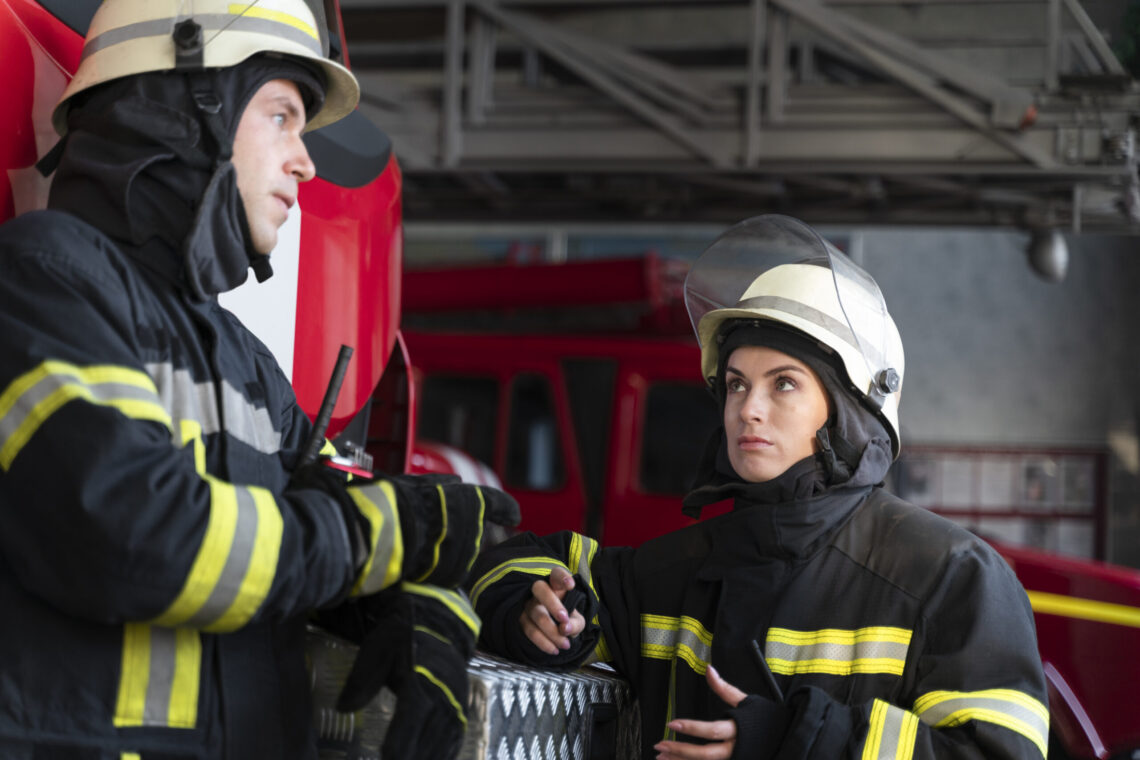
Property protection involves more than preventing unauthorized access. Fire hazards can develop unexpectedly, particularly at construction sites, commercial facilities, industrial properties, and buildings experiencing fire-system outages. Fire watch security can provide an additional layer of monitoring when fire protection systems are unavailable or temporary hazards require increased attention.
Combining security awareness with fire watch responsibilities can be useful when properly planned and staffed.
Understanding Fire Watch Security
Fire watch security involves personnel monitoring a property for fire hazards while potentially carrying out defined security responsibilities.
Depending on the assignment, personnel may patrol the property, monitor access points, observe suspicious activity, identify fire hazards, and communicate emergencies.
The precise duties should be established before deployment.
Why Fire Risks and Security Can Overlap
A property can face both security and fire risks at the same time.
For example, a vacant construction site may contain valuable equipment and combustible materials.
A commercial building undergoing renovation may have restricted areas, temporary electrical systems, and hot-work operations.
Monitoring both types of risks can provide broader situational awareness.
Fire Protection System Outages
A fire alarm or sprinkler system may occasionally need to be taken offline.
During an outage, additional monitoring may be required.
Fire watch personnel can patrol designated areas and watch for smoke, flames, overheating equipment, and other warning signs.
The underlying fire protection system should be restored as soon as practical.
Construction Sites
Construction environments frequently change.
Materials are moved, walls are opened, temporary wiring is installed, and contractors perform work involving heat and sparks.
Fire watch security personnel can monitor changing conditions while also helping protect the site from unauthorized access.
Hot Work
Welding, cutting, grinding, and similar activities can create ignition sources.
A designated fire watch may be required during and after certain hot-work operations.
Personnel should understand the site’s procedures and applicable requirements.
Patrols and Monitoring
Active patrols are a central component of many fire watch assignments.
The frequency and route should reflect the property and applicable requirements.
Personnel should inspect designated areas carefully rather than simply remaining at a desk.
Observations should be documented.
Security Awareness
When security duties are included, personnel may monitor doors, gates, restricted areas, and other access points.
They may also report suspicious activity according to established procedures.
However, responsibilities should be realistic.
If the assignment requires constant fire monitoring in one area, the provider should ensure that additional security responsibilities do not interfere with fire watch requirements.
Documentation
Fire watch logs provide a record of monitoring.
Records may include patrol times, areas checked, hazards discovered, incidents, notifications, and corrective actions.
Security-related incidents can also be documented according to the service agreement.
Emergency Communication
Clear communication is essential.
Personnel should know how to contact emergency services and responsible property representatives.
They should also understand evacuation procedures and emergency assembly areas where applicable.
In an actual fire, life safety should take priority.
Selecting a Provider
When evaluating fire watch security services, consider:
- Fire watch training
- Security experience
- Staffing levels
- Emergency availability
- Reporting procedures
- Supervision
- Local experience
- Replacement coverage
The provider should be able to explain how it ensures that personnel remain focused on their assigned responsibilities.
Temporary Events
Events can create unique fire and security concerns.
Crowds, temporary electrical systems, cooking equipment, decorations, generators, and restricted areas may require additional observation.
Fire watch security personnel can be assigned according to the event’s safety plan and applicable requirements.
Communication With Management
Property managers should provide personnel with relevant information before an assignment begins.
This may include building layouts, emergency exits, fire equipment locations, restricted areas, contact information, and known hazards.
A site-specific briefing can improve the effectiveness of monitoring.
Don’t Rely on Fire Watch Permanently
Fire watch is generally a temporary safety measure.
It should not be considered a permanent replacement for required fire protection systems.
When an alarm, sprinkler, or other protection system is impaired, repairs should be completed as soon as reasonably possible.
Conclusion
Fire watch security can provide valuable protection when properties face temporary fire risks alongside security concerns.
Properly trained personnel can monitor hazards, patrol designated areas, document observations, communicate emergencies, and perform defined security responsibilities.
The success of the service depends on appropriate staffing, clear responsibilities, training, communication, and compliance with applicable requirements.
Before arranging coverage, property owners and managers should identify the risks involved and confirm what local authorities require. A well-planned service can help maintain safer conditions while normal fire protection and security measures are restored.